
What Is Laminate Furniture? A Beginner's Guide to This Popular Material
When furnishing your home or office, it’s easy to get overwhelmed by choices—solid wood, veneer, MDF, and then there’s laminate. But what is laminate furniture, really? And is it a smart choice for your space?
In simple terms, laminate furniture is made using a printed or decorative paper layer that is fused onto a core material (usually particle board or MDF) with heat and pressure. This outer layer mimics the look of wood, stone, or other textures, while the inner core provides structure and durability. The result? A cost-effective, versatile piece of furniture that looks good without the price tag of solid wood.
In this post, we’ll break down exactly what laminate furniture is, how it's made, and where it fits in the world of home and office interiors.
What Is Laminate Furniture Made Of?
To understand laminate furniture, it helps to look under the surface—literally. Laminate is a layered product, and each part of it plays a specific role in creating a piece that's both attractive and practical.
1. Core Material
At the heart of laminate furniture is a core made from engineered wood—usually medium-density fiberboard (MDF) or particle board. These materials are made by compressing wood fibers or chips with resin. While they aren’t as strong as solid wood, they offer excellent cost savings and are lightweight, which makes laminate furniture easier to move and assemble.
2. Decorative Laminate Layer
The top layer is what gives laminate furniture its look. It’s typically a printed sheet that mimics wood grain, stone, or even bold modern designs. This sheet is then sealed with a melamine resin coating, which protects it from scratches, moisture, and wear.
This decorative layer is what gives laminate its design flexibility. You can get a “walnut” finish one day and a “marble” desktop the next—all without cutting down expensive natural materials.
3. Bonding Process
These layers are fused together using heat, pressure, and adhesive, resulting in a smooth, hard surface that resists damage and is easy to clean. There are two main types of laminates used in furniture: high-pressure laminate (HPL), which is more durable and used in commercial applications, and low-pressure laminate (LPL), more common in affordable home furniture.
Pros and Cons of Laminate Furniture
Like any furniture material, laminate comes with its strengths and limitations. Whether you're outfitting a home office or updating your living space, knowing the pros and cons of laminate furniture helps you make an informed choice.

Pros of Laminate Furniture
1. Budget-Friendly
Laminate furniture is one of the most affordable options available. Because it's made from engineered wood and not
solid timber, it significantly reduces manufacturing costs—savings that are passed on to the buyer.
2. Wide Variety of Styles and Finishes
With laminate, you get style without limitations. The decorative surface can mimic almost any material—natural wood, marble, concrete, or even bright colors and geometric patterns. This makes it incredibly versatile for all types of interiors.
3. Durable and Low-Maintenance
The melamine or resin coating makes laminate resistant to moisture, heat, and scratches. That means fewer worries about spilled drinks, hot mugs, or daily wear and tear—especially in high-use areas like kitchens, kids' rooms, or offices.
4. Easy to Clean
Laminate furniture doesn’t require polishing or oiling like wood. A damp cloth and mild soap are usually enough to keep it looking good, making it ideal for people who want a low-fuss solution.
5. Lightweight and Easy to Assemble
Thanks to its engineered wood core, laminate furniture tends to be lighter than solid wood. It’s easier to move around, and many flat-pack pieces are designed for DIY assembly.
Cons of Laminate Furniture
1. Not as Strong or Long-Lasting as Solid Wood
While durable in the short term, laminate furniture typically doesn’t have the same lifespan as high-quality wood furniture. The particleboard or MDF core can weaken over time, especially with heavy use or exposure to moisture.
2. Difficult to Repair
Unlike wood, which can be sanded, stained, or refinished, laminate is harder to fix once it’s chipped or damaged. Scratches or peeling can’t be easily hidden, and replacement parts are often not available.
3. Can Look “Artificial” in Some Designs
Although laminate finishes have come a long way, they still may not have the depth, texture, or warmth of real wood. In some cases, especially with cheaper products, the appearance may look a bit too synthetic for traditional or luxury interiors.
4. Susceptible to Water Damage at the Core
While the surface is moisture-resistant, if water seeps into the seams or edges and reaches the inner MDF or particleboard, swelling and warping can occur. It’s important to protect the edges and avoid long-term exposure to moisture.
Laminate vs. Wood Furniture: What’s the Difference?
When comparing laminate vs. wood furniture, you’re essentially choosing between affordability and authenticity. Each has its place, and your decision should depend on how and where the furniture will be used.
Appearance and Style
-
Laminate: Offers a broader range of colors, textures, and patterns, including realistic wood looks, glossy or matte finishes, and even modern prints. Ideal for contemporary or minimalist spaces.
-
Wood: Known for its natural grain and timeless appeal. Each piece is unique, offering a level of visual warmth and character that laminate can only imitate.
Verdict: Choose laminate for versatility and trend-driven design; go with wood for natural charm and craftsmanship.
Durability and Longevity
-
Laminate: Resistant to scratches, stains, and light moisture. However, its engineered wood core is more vulnerable to long-term wear and damage if not properly cared for.
-
Wood: More robust overall. With proper maintenance, solid wood can last for decades—and actually look better with age, developing a rich patina.
Verdict: Wood wins on long-term durability, while laminate excels in daily practicality.
Maintenance
-
Laminate: Super low-maintenance. Wipe it down with a cloth and you’re good to go—no special products or routines required.
-
Wood: Needs more TLC. Depending on the finish, it may require oiling, polishing, or avoiding certain cleaners to maintain its appearance.
Verdict: Laminate is easier to maintain for everyday use.
Cost
-
Laminate: Typically much more affordable, making it ideal for budget-conscious shoppers, first apartments, or temporary furnishings.
-
Wood: A bigger investment, but it can add value to your home and hold up beautifully over time.
Verdict: Laminate is budget-friendly; wood is an investment.
Environmental Considerations
-
Laminate: Uses engineered wood, which often includes recycled materials, but may involve synthetic adhesives or finishes. Some brands offer low-VOC or eco-certified versions.
-
Wood: When sourced responsibly (e.g., FSC-certified), solid wood can be a sustainable, renewable choice. However, deforestation is a concern with uncertified sources.
Verdict: It's a tie—laminate wins for material efficiency; wood wins when sustainably sourced.
Common Types of Laminate Furniture
Laminate furniture isn’t limited to one type of product—it’s actually found in nearly every room of the home or office. Thanks to its affordable cost and versatile design, manufacturers use it to create everything from functional basics to statement pieces.
1. Laminate Desks and Workstations
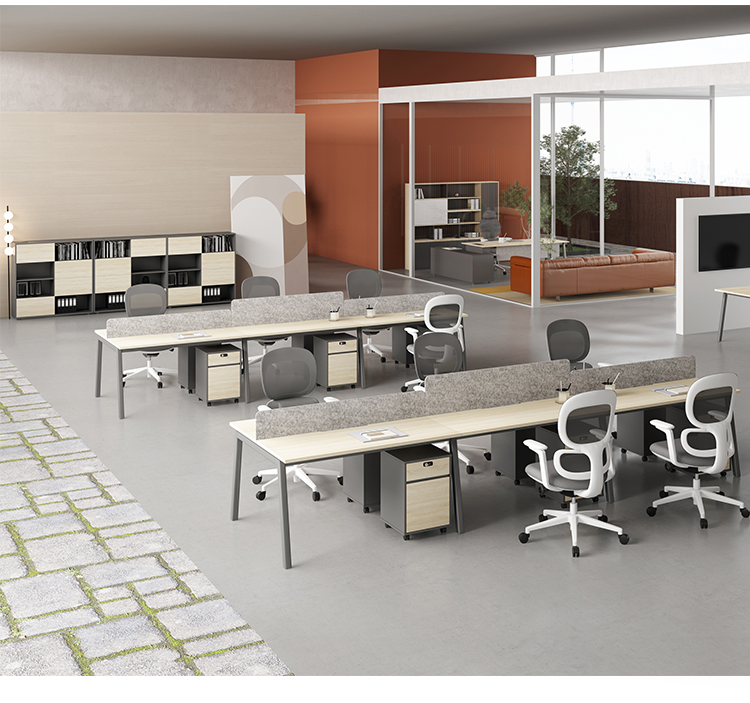
One of the most popular applications is the laminate office desk. These desks often feature wood-look finishes, built-in storage, and a lightweight frame that’s easy to assemble. Laminate desks are great for home offices, student setups, or corporate spaces where multiple workstations are needed on a budget.
Their scratch- and stain-resistant surfaces make them ideal for high-use areas and easy to maintain over time.
2. Laminate Storage Units: Cabinets, Dressers & Bookcases
Laminate is commonly used in storage furniture like dressers, filing cabinets, bookshelves, and wardrobes. Because of the low material cost, you can find larger pieces (like double wardrobes or multi-drawer units) at a fraction of what wood versions would cost.
Many of these pieces come in modular or flat-pack designs, perfect for renters or people frequently on the move.
3. Laminate Dining Tables and Coffee Tables
Yes, even dining furniture is made with laminate. Tables with laminate tops mimic wood or stone but are far more affordable and easier to clean—great for families, small spaces, or those prone to spills.
Some models pair a laminate top with metal or solid wood legs, giving you a balanced blend of style and affordability.
4. Laminate Bed Frames and Headboards
Laminate bed frames are a cost-effective way to furnish a bedroom, especially when buying a matching set with nightstands and dressers. Many laminate headboards are designed to imitate solid wood panels or upholstered textures.
Because these pieces are often part of coordinated collections, it’s easy to get a clean, unified look across the room.
5. Laminate Kitchen and Bathroom Cabinets
Laminate is also used in built-in cabinetry, especially in kitchens and bathrooms, where its water-resistant surface and low-maintenance nature are ideal. High-pressure laminates are often used here for better durability and moisture protection.
How to Care for Laminate Furniture
While laminate furniture is relatively low-maintenance, a little attention goes a long way in keeping it looking sharp and extending its lifespan. Here’s how to care for your laminate pieces the right way.
1. Daily Cleaning
Use a soft, damp cloth with a mild soap solution to wipe down surfaces. Avoid harsh cleaners, bleach, or abrasive sponges, as they can dull the finish or wear down the protective coating.
For dusting, a microfiber cloth works best to avoid scratches.
2. Avoid Excess Moisture
While the top layer of laminate is moisture-resistant, the edges and core are not waterproof. Be cautious with spills—wipe them up promptly, especially around joints and seams where water can seep in and cause swelling or warping.
Never use soaking wet cloths or leave damp items (like towels or mugs) on the surface for long periods.
3. Prevent Scratches and Dents
Even though laminate is fairly scratch-resistant, it’s still best to use coasters, placemats, and desk pads. Avoid dragging heavy or sharp objects across the surface, and use felt pads under furniture legs or accessories.
If you're using laminate desks, keep keyboard trays or mouse pads in place to prevent wear in high-contact zones.
4. Address Minor Damage Early
Small chips or peeling edges can worsen over time. Use a laminate repair paste or furniture markers to hide scratches. For peeling laminate layers, you can use wood glue and a clamp to reattach them carefully—but if the damage is significant, replacing the panel may be the only option.
5. Avoid Extreme Heat
Don’t place hot pans, hair tools, or electronics that generate heat directly on laminate surfaces. Prolonged heat exposure can cause bubbling or discoloration. Always use trivets, mats, or heat-resistant pads where necessary.
Frequently Asked Questions About Laminate Furniture
Still unsure if laminate furniture is right for you? Here are answers to some of the most common questions people ask.
1. Is laminate furniture real wood?
Not exactly. Laminate furniture is made from engineered wood—like MDF or particle board—covered with a printed paper or plastic finish that mimics the look of wood or other materials. While it isn’t solid wood, it can still be attractive, durable, and cost-effective.
2. Is laminate better than veneer?
Both have pros and cons. Laminate is generally more resistant to scratches, stains, and moisture, and it's lower in cost. Veneer, on the other hand, uses a thin slice of real wood on the surface, giving it a more authentic appearance but requiring more careful maintenance.
3. Can laminate furniture be painted?
Painting laminate furniture is possible, but it requires special prep. You’ll need to sand the surface lightly, apply a primer designed for slick surfaces, and use a paint that adheres well to laminate (like latex or acrylic). Without proper prep, paint may peel or chip easily.
4. Is laminate furniture waterproof?
Laminate surfaces are water-resistant, not waterproof. The top layer can handle minor spills and moisture, but if water seeps into seams or the base material (especially particle board), it can cause swelling or damage. Always clean up spills quickly and avoid soaking the furniture.
5. How long does laminate furniture last?
With proper care, laminate furniture can last anywhere from 5 to 10 years or more, depending on build quality and usage. While it won’t match the lifetime of solid wood, it holds up well in everyday environments and is ideal for people on a budget or furnishing temporary spaces.
Conclusion: Is Laminate Furniture Right for You?
Laminate furniture may not be solid wood, but it offers a lot to love—style flexibility, affordability, and low maintenance. If you're furnishing a home office, dorm, apartment, or even a commercial space, it’s a smart choice that delivers on both form and function.
Whether you’re drawn to the wood-look finishes, the budget-friendly price tag, or the easy upkeep, laminate furniture proves that practical design doesn't have to come at the cost of good looks. And with so many styles and options out there, finding the right piece for your space is easier than ever.