
Are Standing Desks Good for You? The Truth About Health Benefits
You complain of a sore back after sitting for hours. In the mid-afternoon, you are running low on energy and struggle to focus. Then you read about standing desks, a purported cure to modern-day office fatigue.
But are standing desks really healthy? Or are they a workplace trend that is only good on paper?
Let’s separate fact from hype. This is what the actual studies have to say about standing desks, the actual health benefits they have, the inconspicuous disadvantages which the majority simply disregard, and whether one is worth investing in, or not.
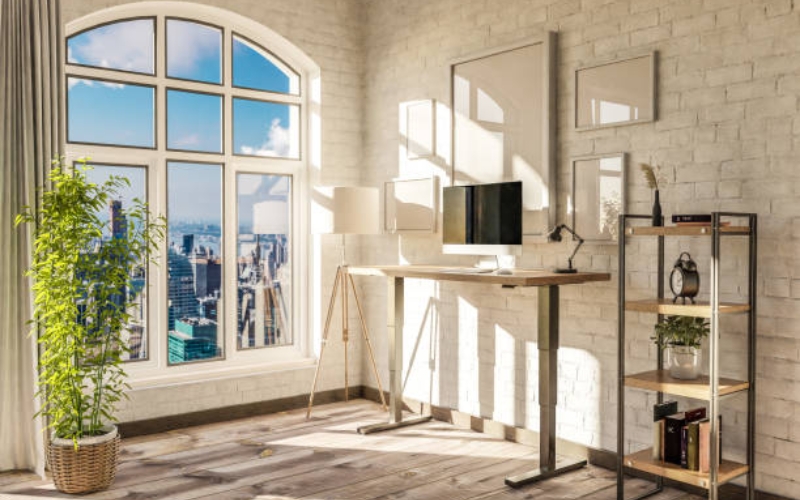
Source: https://www.istockphoto.com/
What Are Standing Desks and Why Everyone’s Talking About Them
Sit to stand desk let you work on your feet rather than sitting in a chair all day. Some models can be moved up and down with a button, and others remain at a constant height. And this is no passing office craze. The figures make a great narrative.
The international market is growing rapidly. The industry of standing and height-adjustable desks is estimated to be valued at $1.8 billion in 2024 and will expand to $ 4.3 billion in 2033, with a projected growth rate of 10.3% per year.
Why the explosion?
Office workers spend two-thirds of their day sitting. That’s 66% of their waking hours in a chair.
Too much sitting causes obesity, diabetes, heart disease, and early death. These aren’t scare tactics - they’re facts backed by decades of research.
Standing desks promise a way out. But do they actually deliver?
The Science: What Research Actually Shows
Let’s talk facts, not marketing claims. Why are office desks with adjustable height good?
Energy and Getting More Done
Alternating between sitting and standing throughout the working day is one of the ways to keep your mind sharp and your energy levels consistent.
You do not need to be glued to one posture for hours beforehand, and it is much easier to remain attentive, keep a clear head, and avoid the afternoon slump.
Even brief breaks will provide your brain with a visible boost and better productivity overall. A study examined the results of 87% of respondents who used a standing desk, showing increased energy levels throughout the day.
Back and Neck Pain
About 78% of employees said their back pain got better after switching to standing desks.
Standing helps your spine align properly. It takes pressure off tired muscles and keeps your head and neck where they should be.
Blood Sugar
A pilot trial was conducted as a repeated-measures study of overweight and obese individuals with impaired fasting glucose (blood glucose >100 mg/dL) working in sedentary occupations.
To check their blood glucose levels, they were monitored over two one-week working time periods, one week sitting the entire time, and another week alternating sitting and standing by adjusting their desks during working hours.
Their sugar level had deteriorated in the sitting week. Sitting after meals will help normalize blood glucose more rapidly. Standing 2 hours after a meal increased energy production without altering BG.
This is very important when you are at risk of diabetes.
Heart Health
The heart health stuff gets complicated. The benefit of standing is that it reduces sitting time, which supports circulation.
However, studies by a WVU epidemiologist indicate that standing too much during your work may damage your heart. Some people stood longer than others, which increased their arterial stiffness.
The answer? Balance. Too much sitting OR standing causes problems.
Mental Health and Mood
A randomized control trial involving university students revealed that reducing sitting time led to improved health outcomes (particularly mood).
Standing increases blood and oxygen flow to the brain. You feel more alert and focused.
People using standing desks reported better moods. They felt more energized, positive, and happier.
The Calorie-Burning Myth
Time for some reality. Research found that sitting burns about 80 calories per hour. Standing? Only 88 calories per hour.
That’s 8 extra calories per hour.
Standing for three hours, and you burn 24 extra calories. Know what else has 24 calories? A carrot.
Walking burns 210 calories per hour. A 30-minute walk at lunch burns more than standing all day.
So no, standing desks won’t help you lose weight. But weight loss isn’t everything.
Stand Up Desk Benefits: Real Benefits
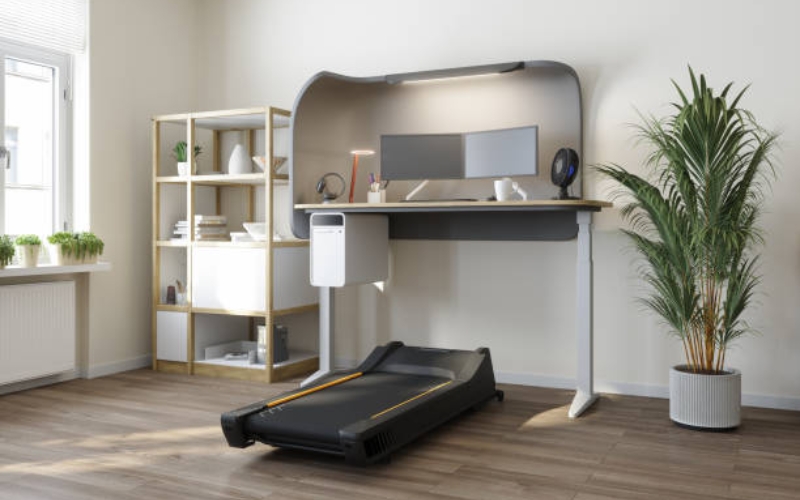
Source: https://www.istockphoto.com/
We now separate proven from wishful thinking.
What’s Proven
Less Sitting: Employees using adjustable chairs reduce daily sitting by 60-90 minutes. This was not a short-term thing; it was a long-term thing.
Improved Posture: Standing promotes proper spine alignment. Your core muscles activate a little to sustain your middle. Over time, you develop more effective posture patterns.
Reduced Back Pain: Various studies affirm reduced back, neck, and shoulder pain. Your desk setup has to be right, and you need to alternate positions.
Better Focus: Studies show that less work-related sitting can help you focus on finishing tasks.
Better Mood: Standing gets blood and oxygen flowing. You feel more alert and energized.
Probably True
Lower Disease Risk: Sitting less might reduce the risk of obesity, diabetes, and heart disease. Direct proof is still limited, though.
Living Longer: One study of 8,000 adults found that swapping 30 minutes of sitting time for any activity reduced the risk of early death by up to 35%.
Marketing Hype
Weight Loss: The calorie difference is tiny. You won’t lose weight without changing other habits.
Cure Everything: Standing desks help. They don’t fix all your health problems.
Why Are Standing Desks Good? The Key Advantages
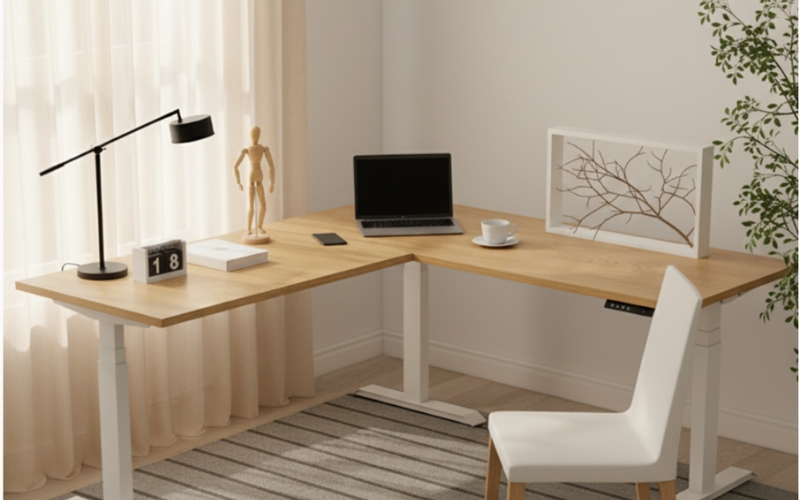
Understanding the advantages of standing desk use helps you make informed decisions:
The advantages of standing desks include improved circulation, reduced pressure on your back, and better core engagement. These benefits of a standing desk compound over time when you use it correctly.
The question “Are standing desks good for you?” depends on proper usage. A standing desk healthy routine involves alternating positions, not static standing.
Problems Nobody Warns You About
Standing desks aren’t perfect. Let’s talk about the downsides.
Your Legs and Feet Will Hurt
Stand too long, and your feet scream. Your legs ache. Some people get varicose veins or joint problems from standing too much.
Fix? Don’t stand all day. Wear good shoes. Use anti-fatigue mats.
Some Work Just Works Better Sitting
Detailed handwriting? Drawing? Long periods of intense focus? These often work better when you’re seated.
Quick emails or phone calls? Standing works great.
Exercise Still Matters
Standing beats sitting, but it doesn’t replace exercise. You still need to move around, take breaks, and work out regularly.
When combined with exercise, standing desks shine as part of an overall approach to health.
Your Body Needs Time
Expect 1-2 weeks of sore muscles and fatigue. Start slow - 15-30 minutes at first.
Standing Still Isn’t Great Either
Too much standing at work can harm your heart health, just as sitting for long periods.
Standing completely still for hours isn’t healthy. You need movement and position changes.
How to Use These Things Right
Getting the benefits of standing desk use means using the desk properly.
Setting It Up Correctly
Screen Position: Eye level. No looking up or down. About 20 inches from your face.
Arms: Elbows at 90-100 degrees. Forearms parallel to the floor when typing.
Desk Height: Wrists stay straight while typing. No bending.
Head and Neck: Head stacked over your spine. Chin slightly tucked, not pushed forward.
Standing Position: Stand tall with core lightly engaged. Don’t lock your knees - keep them slightly bent.
Feet: Flat on the floor or mat. Weight is spread evenly. Wear supportive shoes.
The Right Schedule
Don’t stand all day. Try this:
-
Stand 20-30 minutes
-
Sit 20-30 minutes
-
Walk around for 5-10 minutes
-
Repeat
Some experts say start with 15 minutes per hour standing. Increase gradually as you adapt.
The goal? Cut sitting by 2-4 hours during an 8-hour workday.
Mistakes People Make
Too Much Too Fast: Don’t jump from sitting all day to standing all day. Ease into it.
Wrong Height: Too high strains the shoulders. Too low hurts your back. Adjust until it feels right.
Bad Shoes: Heels, flip-flops, and flat shoes cause pain. Wear shoes with arch support.
Staying Still: Standing motionless defeats the purpose. Shift your weight. Walk in place. Take breaks.
Ignoring Pain: Pain means stop. Adjust or take a break.
Standing Desks vs Regular Desks: The Verdict
Neither wins completely. It depends on your situation.
When Standing Desks Win
-
Your back or neck hurts from sitting
-
You feel tired and unfocused at work
-
You want to sit less
-
Your job lets you move around
-
You can afford an adjustable desk
When Regular Desks Win
-
You do detailed fine motor work
-
You have leg or foot problems that get worse when standing
-
You can’t afford a standing desk right now
-
Your job needs long periods of intense focus
The Real Answer?
Get a height-adjustable desk. Switch between sitting and standing. This gives you flexibility throughout the day.
As of 2024, 58.1% of coworking managers want to add more health amenities, with ergonomic furniture topping the list.
The future is flexible and choice.
Meet&Co: Premium Standing Desk Solutions
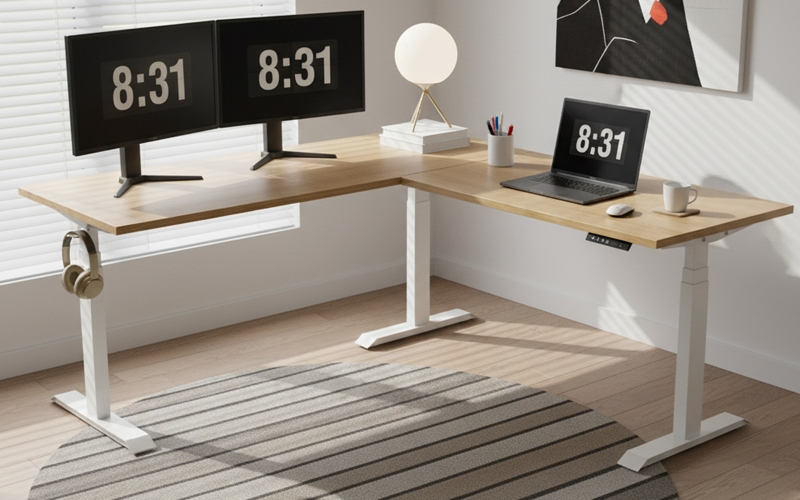
Looking for quality standing desks? Meet&Co specializes in ergonomic furniture that transforms how you work.
Meet&Co SENDI Electric Standing Desk
The SENDI Electric Standing Desk combines tech with comfort. Push a button, and it adjusts smoothly.
What You Get:
-
The electric motor makes adjustment effortless
-
Wide height range fits most people
-
Solid construction stays stable
-
Modern design fits any office
-
Memory presets save your favorite heights
-
Quiet operation won’t bug coworkers
Who It’s For:
-
Professionals switching positions frequently
-
People who value convenience
-
Home offices and corporate spaces
-
Anyone wanting a reliable electric adjustment
The SENDI makes position changes completely effortless.
Meet&Co SENDI L-Shaped Adjustable Standing Desk
The SENDI L-Shaped Adjustable Standing Desk maximizes space while keeping ergonomic benefits.
Features:
-
The L-shaped design gives you extra work surface
-
Full height adjustment
-
Supports multiple monitors and equipment
-
Sturdy frame handles heavy loads
-
Corner-friendly setup
-
Electric height control
Perfect For:
-
People needing lots of desk space
-
Multi-monitor setups
-
Corner office spots
-
Power users with tons of equipment
-
Home offices with space limits
This desk doesn’t make you choose between space and health.
Why Meet&Co?
Built to Last: Meet&Co uses materials that survive years of daily use. Every desk gets tested before shipping.
Smart Design: Products balance looks with function. Clean lines and modern finishes fit into any space.
Fair Prices: Premium features without premium prices. Meet&Co makes ergonomic furniture accessible.
Real Support: Responsive service helps with setup and any issues.
Proven Track Record: Thousands of satisfied customers use Meet&Co desks every day.
Whether you need a standard electric desk or an L-shaped setup, Meet&Co delivers.
FAQs
Do standing desks make you actually healthier?
Yes, when used right. They reduce the time they spend sitting, which reduces the risk of obesity, diabetes, and heart disease.
They also alleviate low back pain and increase energy. The trick is not standing all day, but alternating between sitting and standing.
What is the time of day I should be at my standing desk?
Begin with 15- 20 minutes per hour and increase. The majority of professionals suggest a range of 2-4 hours all round in an 8-hour work shift. Flip every 20-30 minutes for optimal results.
Will using a standing desk help me lose weight?
Nope. Standing does not use any more calories per hour than sitting. A 3-hour stand consumes approximately 24 calories, equivalent to a carrot. To lose weight, do standing exercises and follow a proper diet.
Is it possible to have too much standing?
Absolutely. Long periods of inactivity lead to heart strain, varicose veins, and leg pain. Sitting and excessive standing are bad risk about and should alternate.
Is a costly standing desk necessary?
Not really. Mid-range electric desks (400-800) are very suitable for the majority of the population. Occasionally, budget options suffice.
Premium desks have additional features and are durable—shop according to the degree of use and budget.
The Bottom Line: Should You Get One?
So, are standing desks good for you?
Yes - with important conditions.
Standing desks offer real benefits:
-
Less back and neck pain
-
More energy and focus
-
Better mood
-
Less sitting time
-
Better long-term health
But they’re not magic:
-
Won’t make you lose weight
-
Need proper use to avoid problems
-
Work best when you alternate positions
-
Must be part of broader wellness habits
-
Don’t replace exercise
The science backs standing desks when used correctly. Those two words matter: “used correctly.”
Don’t stand all day—alternate positions. Move regularly. Set up your desk right. Listen to your body.
Ready for the change?
Check out Meet&Co’s SENDI Electric Standing Desk for smooth height adjustment. Need more space? Look at the SENDI L-Shaped Adjustable Standing Desk.
Your back will feel better. Your energy will improve. Your workday will get easier.
Start small. Stand for 15 minutes today. Add five more tomorrow. Before long, you’ll wonder how you ever worked sitting all day.
The best time to improve your workspace was yesterday. Second best? Right now.